
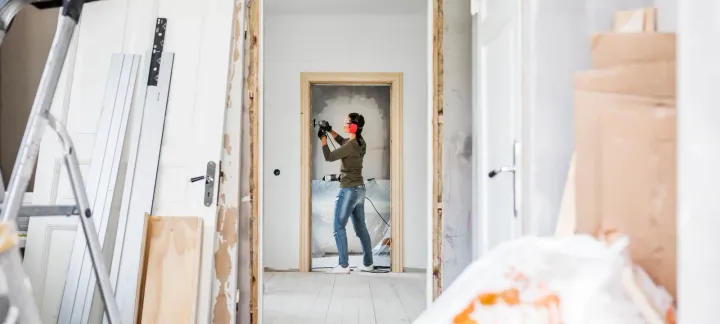
Before putting their home on the market, many owners face the same question: is it necessary to renovate, or is it wiser to sell it in its current condition? The answer is rarely the same for every property. A full refurbishment may require a significant budget that the sale price will not always recover. Leaving obvious defects, however, can also be an expensive mistake, because it gives buyers concrete grounds to ask for a discount.
The most sensible approach usually lies between these two extremes. Instead of replacing the whole kitchen or doing a major bathroom renovation, you can fix the small but highly visible problems. A dripping tap, a scratched wall, a broken handle or a missing trim do not cost as much as a complete renovation, but they affect the overall impression of the home.
The aim of small repairs before selling a property is not to present it as new when it is not. The aim is for the buyer to see a well-kept, functional home ready for normal use, rather than starting the viewing with a list of things to fix.
1How small defects affect perceived value
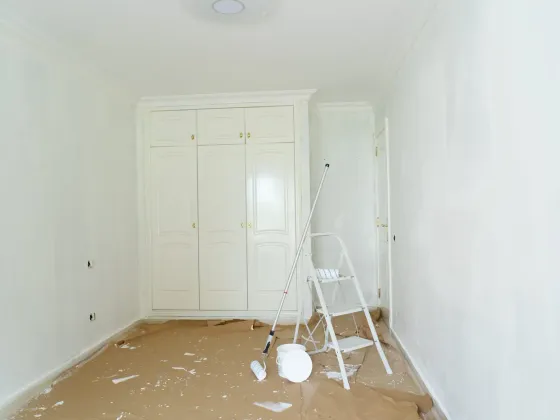
Buyers rarely assess each repair at the real cost of materials and labour. When they see several minor problems at once, they may be left with the impression that the home has not been maintained and probably hides further defects.
A loose handle on its own is not a serious problem. Combined with stains on the walls, blown bulbs, a dripping tap and a damaged trim strip, however, it creates an overall impression of a neglected property. The buyer may then overestimate future costs and begin negotiations from a significantly lower position.
Well-executed small repairs help in three ways:
- they reduce the visible grounds for asking for a discount;
- they show that the home has been maintained;
- they allow the property’s strengths to stand out.
These improvements do not guarantee a specific increase in the sale price. They can, however, improve the way the home is perceived and make it easier to defend a realistically set asking price.
21. Freshen up dirty and scuffed walls
Repainting is among the most visible changes you can make without a full renovation. Walls take up a large part of the field of view, and their condition affects the sense of cleanliness, light and upkeep.
You do not have to paint the whole apartment. First look at the areas that usually get dirty fastest:
- the wall around the entrance;
- the hallway;
- the spots behind chairs and furniture;
- the areas around switches and sockets;
- children's rooms;
- the walls around radiators;
- the areas with visible marks from pictures and shelves.
When choosing paint, favour calm, light tones that do not limit a future buyer to a particular interior style. White, warm white, light grey and soft beige usually go easily with different furniture and flooring.
Do not paint directly over damp patches, mould or an active leak. The cause must be identified and fixed first. Cosmetically covering up a real problem can lead to distrust and serious difficulties at a later viewing.
32. Repair cracks and minor damage to the plaster
Small cracks around frames, ceilings or corners are found in many homes. Some are only on the surface, but to someone without technical experience they can look worrying.
Small cosmetic cracks, dowel holes and chipped areas can be filled, sanded and painted. The repair should be done cleanly, with no uneven patches and no visible difference in colour.
Before you act, pay attention to whether the crack:
- is widening;
- runs through several walls;
- is diagonal and pronounced;
- reappears after a previous repair;
- comes with deformation, damp or a problem with the windows and doors.
With signs like these, do not rely on cosmetic filling. Find a specialist who can determine the cause. Minor repairs should improve presentation, not hide structural or technical problems.
43. Stop leaks and fix the taps
A dripping tap is a relatively small defect, but it is noticed immediately during a viewing. It draws attention to the plumbing and can raise doubts about more serious problems.
Check all:
- taps and mixers;
- connections under the sinks;
- traps;
- toilet cisterns;
- showers and shower heads;
- stop valves;
- connections to the washing machine and dishwasher.
Sometimes replacing a seal, tightening a connection or swapping a flexible hose is enough. If the mixer is badly corroded, loose or hard to use, replacing it with a simple but reliable model may be the better solution.
After the repair, dry out the cabinets and check for swollen board, stains or an unpleasant smell. Damp under the kitchen sink often goes unnoticed by the owner, but a careful buyer will probably open the cabinet.
54. Refresh the grout and silicone in the bathroom
The bathroom is one of the rooms where small details have the biggest effect on the overall impression. Darkened grout, cracked silicone and traces of mould can make an otherwise functional bathroom look much older.
You do not need to replace all the tiles when the tiling is sound. Often it is enough to:
- clean the grout thoroughly;
- restore heavily worn areas;
- remove the old silicone;
- apply new sanitary silicone around the bath, shower enclosure and sink;
- secure loose accessories;
- replace a broken holder or toilet lid.
The new silicone should be applied evenly, on a surface that is dry and well cleaned. Careless work with thick, crooked lines can make the room look worse.
If there is active damp, falling tiles or a leak into an adjacent room, a cosmetic refresh is not enough. The cause must be fixed before the sale.
65. Repair interior doors and handles
Doors are used during almost every viewing. When they squeak, do not close, rub on the floor or have loose handles, the buyer notices the defect straight away.
Check each door individually:
- does it open smoothly;
- does it close without pushing;
- do the lock and latch work;
- is the handle secure;
- is any coating chipped;
- is the frame sound;
- does the leaf rub against the flooring.
Often the problem can be solved by adjusting the hinges, lubricating, tightening the screws or replacing the handle. For badly scratched doors, a local repair or repainting may help, if the material allows it.
You do not need to buy expensive designer handles. It is more important that all the mechanisms work and the visible elements look clean and coordinated.
76. Replace broken switches, sockets and visible covers
Yellowed, broken or mismatched switches and sockets give the impression of an old, partly renovated home. Replacing the visible covers can make the walls look more finished, but work on the electrical installation must be carried out safely.
Pay attention to:
- cracked frames;
- loose sockets;
- missing covers;
- switches that do not work;
- exposed wires;
- badly scorched or darkened areas;
- several different models in one room.
When the problem is only cosmetic, the affected item can be replaced with a similar model. If anything is loose, heats up, sparks or you suspect a fault, contact a qualified electrician.
Do not present the old installation as fully renewed just because the faceplates have been changed. The buyer should be given accurate information about the repairs actually carried out.
87. Restore the skirting boards and threshold strips

Missing skirting boards and damaged transition strips often look like a trifle, but they leave a renovation looking visually unfinished. They are especially noticeable in photos and when moving from one room to another.
Check:
- the skirting boards around the walls;
- the joints between individual elements;
- outer and inner corners;
- the transitions between laminate, tiles and parquet;
- the areas around door frames;
- peeling or broken finishing profiles.
Loose elements can be fixed back in place, and missing parts replaced with the closest possible match. If the exact colour is no longer available, it is sometimes better to replace the whole trim in that particular room rather than add an obviously different piece.
A repair like this does not change the flooring, but it makes it look better finished and better maintained.
98. Fix Visible Defects in the Flooring
Replacing the entire floor is rarely a minor repair. Before taking on that investment, check whether the problem can be solved locally.
For laminate or parquet, look for:
- individual pieces that have shifted;
- raised sections;
- missing finishing profiles;
- heavily scratched areas;
- squeaking;
- signs of moisture.
A single damaged plank can sometimes be replaced if you have the same model. Minor scratches on natural parquet can be treated with a product suited to the finish, but deep damage needs a professional assessment.
For ceramic tiles, check for broken tiles, missing grout and loose pieces. If you have spare tiles, a local replacement is far more sensible than a full redo.
Don’t cover up a moisture problem with new laminate. First establish why the flooring has lifted or warped.
109. Adjust the Windows and Balcony Doors
Windows and doors matter for comfort, sound insulation and energy efficiency. During viewings, buyers often open the windows, check the seals and look for condensation or draughts.
Before the sale, check:
- whether the sashes move smoothly;
- whether they close tightly;
- whether the handles work;
- whether there are torn seals;
- whether the mechanisms for the different positions function;
- whether there are signs of water ingress;
- whether the insect screens and inner sills are sound.
In many cases, professional adjustment, lubricating the hardware and replacing the seals are enough. This is a much more sensible expense than replacing all the windows and doors when the frames and glazing units are in good condition.
A cracked glazing unit, persistent moisture between the panes or serious warping should be assessed separately. They can’t be fixed by simple adjustment.
1110. Improve the Lighting and Replace Damaged Fittings
Poor lighting can make a home look narrower, darker and less well kept. You don’t need to buy expensive designer chandeliers, but every light point should work properly.
Check whether:
- there are blown bulbs;
- the different bulbs in one room give off mismatched tones;
- the shades are broken or badly soiled;
- cables and bulb holders are visible;
- the hallways and bathroom are poorly lit;
- the lamps flicker or are slow to switch on.
Choose even lighting that suits the room. In the living room and bedrooms, softer light is usually more pleasant, while the kitchen and work areas need enough visibility.
Changing the bulbs won’t alter the home’s technical qualities, but it will let the rooms be viewed properly and improve the results of the listing photos.
12How to Decide Which Repairs Are Priorities
Not every property needs all of the improvements listed. Before you buy materials, inspect the home as if you were seeing it for the first time.
Divide the problems you find into three groups.
Problems That Must Be Fixed
These are defects that prevent normal use or create a risk:
- active leaks;
- faulty sockets;
- windows that won’t close;
- loose bathroom fixtures;
- broken glass;
- dangerous flooring;
- damaged locks.
Visible Cosmetic Flaws
These don’t make the home unusable, but they affect the first impression:
- dirty walls;
- missing skirting boards;
- scratched doors;
- darkened grout;
- broken covers;
- holes from wall plugs;
- mismatched handles.
Changes That Can Be Left to the Next Owner
These are decisions that depend mostly on personal taste:
- an entirely new kitchen;
- expensive decorative cladding;
- designer light fittings;
- luxury bathroom fixtures;
- specific wallpapers;
- furniture made to a custom design.
Start with the technical problems, continue with the most visible cosmetic flaws, and only then decide whether an additional budget is needed.
13How Much to Invest Before Selling
Don’t set your budget based only on the amount by which you want to raise the price. Market value depends above all on location, floor area, type of construction, floor, the condition of the building, the layout and demand in the area.
Minor repairs can’t turn a home with an unfavourable location or serious technical problems into a property in a higher market segment. They can help it be presented better within its real category.
Before any larger expense, compare:
- the cost of the repair;
- the time to complete it;
- the likelihood that the buyer will change what has been done;
- the price level in the area;
- the state of competing listings;
- the expectations of the target buyers.
After the repairs, the asking price should be set through a real market comparison, not by mechanically adding up all the costs incurred. There is more on this in the guide to setting the right asking price for a property in Varna.
14Which Repairs Often Aren’t Worth It
A major renovation right before a sale risks choosing materials and a style that don’t match the future owner’s preferences. The buyer may plan a different layout, another kitchen or a full refurbishment regardless of your investment.
Be careful with:
- an expensive made-to-order kitchen;
- replacing windows and doors that are still in good condition;
- luxury tiles and sanitaryware;
- elaborate decorative ceilings;
- distinctive colours and wall finishes;
- cheap renovations imitating a high-end finish;
- changes made without the necessary construction documents.
Don’t carry out alterations just to make the home “more modern”. Removing walls, changing installations and annexing terraces are not minor cosmetic repairs and can create legal and technical problems.
15Don’t Hide Defects

There is an important difference between repairing and concealing. If a wall was damaged by an old leak that has since been fixed, it can be dried, treated and repainted. If the leak is ongoing, painting only hides the problem temporarily.
The following should not be concealed:
- active damp;
- mould;
- damage to installations;
- dangerous electrical connections;
- structural cracks;
- unlawful alterations;
- roof problems;
- defects in the common areas presented as fixed.
Transparently presenting the condition builds more trust than a hurried cosmetic repair that is exposed at the first closer viewing.
16Prepare the renovation for the photos and the viewings
Once the renovations are finished, clean all the affected rooms thoroughly. Paint residue, silicone on the tiles, dust on the skirting boards and tools left in corners can undo part of the effect.
Then check the home step by step:
- Open and close all doors and windows.
- Run the water from every tap.
- Check the lighting in every room.
- Inspect the walls in daylight and artificial light.
- Check the grouting, trims and transitions.
- Remove the leftovers from the renovation.
- Air the rooms.
- Take test photos with a phone.
Only after the technical and cosmetic preparation should you move on to photographing and publishing. You can find practical guidance on presentation in the article on a successful property sale listing.
17A small renovation should remove doubts, not create expectations
The most successful improvements before a sale are usually not the most expensive ones. They are the ones that remove visible signs of neglect and show that the home's main functions have been maintained.
Fresh walls, working taps, sturdy handles, clean grouting and working lighting will not change the property's location or floor area. They can, however, help the buyer focus on its real advantages instead of calculating from the front door how many renovations await them.
Before you begin, align the budget with the real selling price and the profile of potential buyers. Sometimes a few well-chosen repairs are enough. In other cases it is more honest and economically sensible to offer the property as needing renovation, but at a price that reflects its condition.
Comments
There are no comments yet. Be the first to share what you think about the article.