
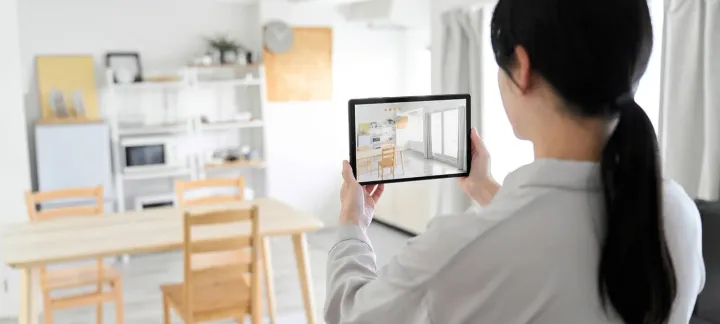
Selling a home is an important process that requires preparation, patience and good organisation. When you still live in the property, however, the situation becomes more delicate. The home has to look good for photos and viewings, yet it remains the place where your everyday life takes place. This means you need to find a balance between the comfort of living there and good presentation to potential buyers.
Many owners put off selling because they think it is hard to show the home while still living in it. The truth is that with the right preparation it is entirely possible. The home does not need to look like an uninhabited catalogue apartment. It is more important that it is clean, tidy, bright and neutral enough for the buyer to imagine what their life would look like in that space.
Selling a home while you live in it takes a little more discipline, but it also has its advantages. The property looks maintained, heated, lived-in and functional. Buyers can more easily sense the real layout, the comfort of the rooms and the way the home is used day to day. It is important, though, that your personal presence does not dominate too strongly, as this can make it harder for a person to see the home as their own future home.
1Why selling an occupied home requires a special approach

When a property is empty, preparing for viewings is usually easier. There are no personal belongings, everyday clutter, family schedule or need for constant upkeep between visits. In an occupied home, all of this has to be combined with the normal life of the people living in it.
Potential buyers do not expect the home to be completely impersonal, but they do expect to be able to look around in peace. If rooms are cluttered, if there are too many personal items or if some of the rooms cannot be seen properly, interest can fall. The buyer needs to get a clear idea of the floor area, layout, light and condition of the home.
Good preparation helps the property show in its best real light. This does not mean hiding flaws, but showing the space tidy, clean and comfortable to live in. That way viewings go more smoothly and buyers come away with a better impression.
2Prepare the home before the photos
The first important step is preparing for the photos. The photos are what will draw attention to the listing. If the home looks dark, messy or too personal, many people may never even get as far as a viewing.
Clear the visible space
When you live in the property, it is normal for belongings to be everywhere – shoes in the hallway, cosmetics in the bathroom, dishes in the kitchen, children's toys, papers, chargers, clothes and small items used every day. For photos and viewings, however, it is best to keep visible surfaces as clear as possible.
You do not need to throw everything away or pack it up. It is enough to put some of the items away in cupboards, boxes or enclosed spaces. That way the home will look more spacious and tidier.
It is worth paying attention to:
- the kitchen worktop, the table and open shelves;
- the hallway and the area around the front door;
- the bathroom and all personal cosmetic products;
- the bedrooms and bedside tables;
- the living room, the wall unit, the coffee table and the area around the TV;
- the terrace, if it will be photographed or shown at viewings.
The fewer small items are visible, the more clearly the space, the light and the layout stand out.
Reduce personal touches
One of the most common mistakes when selling an occupied home is too much of a personal presence. Family photos, children's drawings, personal documents, religious symbols, collections, clothes and other individual items make a home very personal. For the owner that is natural, but for the buyer it can make it hard to picture the property as their own.
The home does not need to become cold or impersonal. The aim is for it to look pleasant but more neutral. Keep decorative elements that create cosiness, but put away the overly personal items. That way the home will look calmer and more accessible to different types of buyers.
3Keep things tidy between viewings
The hardest part of selling a home while you live in it is being constantly ready for viewings. It is not always possible for the home to be perfect, especially if a family with children, pets or people with busy daily lives live there. Even so, you can set up a simple system that makes upkeep easier.
Create a short daily routine
You do not need to clean thoroughly every day. It is better to have a short list of things that quickly bring the home back to good shape. This eases the pressure if a viewing is scheduled for the same day.
A practical daily routine might include:
- putting clothes, shoes and bags away from visible places;
- washing or putting away the dishes;
- tidying the living room and kitchen worktop;
- a quick clean of the bathroom;
- airing the rooms;
- checking the entrance area and the hallway.
These actions do not take much time, but they create the feel of a well-kept home. Buyers pay attention not only to the area and the price but to the overall impression.
Prepare a box for quick tidying
A very useful trick is to have one or two boxes in which to quickly put away small everyday items before a viewing. These could be chargers, children's toys, papers, cosmetics, remote controls, cups, magazines or other items that create visual noise.
The box can be put away in a wardrobe, storage room, pantry or car before the viewing. This way you do not have to find a place for each item separately every time.
4Organise viewings sensibly

When you live in the home, viewings need to be well organised. Constant unannounced visits can create tension and disrupt daily life. It is therefore a good idea to agree convenient times and rules in advance.
Choose suitable time slots
It is best to have specific periods when viewings are possible. For example, after work, on certain days of the week or at the weekend. This helps the family plan their day and reduces stress.
If the property is bright at certain hours, it is a good idea to schedule viewings then. Natural light can significantly improve the feel of the home. Dark hours do not always show the space at its best, especially if the apartment relies on a view, orientation or a sense of space.
Ensure calm during the viewing
During a viewing, the buyer should be able to look around in peace. If there are many people in the home, noise, a TV on or distracting conversations, the impression can be weaker. It is best for the owners' presence to be limited or discreet.
When possible, leave an agent or consultant to lead the viewing. This lets the buyer ask questions more freely. Some people feel uneasy commenting on the property when the owner is standing next to them, especially if they have criticisms or want to discuss possible changes.
5Pay attention to smells and the feel of the home
Smell in a home is a detail that is often underestimated. The buyer may not comment on it directly, but an unpleasant or heavy smell can leave a bad impression. This applies especially to homes with pets, smoking, strong cooking smells or poor ventilation.
Airing and cleanliness
Before a viewing, it is a good idea to air the home. Fresh air creates a feeling of cleanliness and space. If you use an air freshener, it should be light and unobtrusive. Strong scents can look like an attempt to hide a problem.
Particular attention should be paid to the kitchen, bathroom, hallway and rooms with textiles – carpets, curtains, upholstered furniture. These areas hold smells more easily.
Pets
If you have a pet, prepare in advance. Buyers may love animals, but during a viewing they should not be distracted or made uneasy. It is a good idea to put away or tidy the pets' bowls, toys, beds and litter trays.
If possible, the animal can be taken out during the viewing. This creates a calmer environment for both the buyers and the pet itself.
6Show the functionality of the home
A lived-in home has one important advantage – it can show the real way the space is used. This is useful for buyers because they see not just empty rooms, but a working home.
Arrange each room according to its purpose
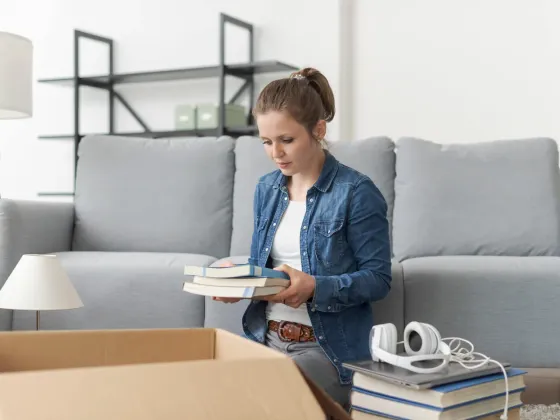
If one room has been turned into a storeroom, study and children's corner all at once, the buyer may find it hard to understand its function. It is a good idea for every room to have a clear role. The living room should look like a place to relax, the bedroom like a calm zone, the kitchen like a convenient working area, and the study like a practical place to work.
This doesn't mean changing the whole home. It is enough to reduce the chaos and arrange the furniture so that the logic of the space is visible.
Do not overcrowd rooms with furniture
Too much furniture makes a home look smaller. If you can, temporarily remove excess chairs, cabinets, small tables or items that get in the way of movement. The space should feel open.
Buyers often try to picture their own furniture in the property. If the rooms are cluttered, this becomes harder.
7Be prepared with documents and information
While you take care of how the home looks, do not forget the practical side of the sale. Buyers often ask about documents, maintenance, neighbours, fees, renovation, furnishing and the condition of the building.
Information it is good to have to hand
Before actively marketing the property, it is a good idea to prepare basic information. This makes conversations easier and shows a serious attitude.
It is useful to know:
- the exact area according to the documents;
- what the sale price includes;
- whether there are ancillary spaces such as a cellar, attic, garage or parking space;
- the monthly costs for building fees, maintenance and utilities;
- whether renovations have been done and when;
- what remains as furnishing;
- whether there are any particularities in the building or the common areas.
The better prepared you are, the more confident your conversations with potential buyers will be.
8What not to do during the sale
When selling a lived-in home, there are several things that can spoil the good impression. Some of them seem minor, but they affect how the buyer perceives the property.
Avoid:
- frequently refusing viewings without good reason;
- leaving the home unprepared for a visit;
- having too many people present during a viewing;
- arguing with the buyer if they have criticisms;
- hiding visible problems;
- leaving personal documents, money or valuables in plain sight;
- relying only on the photos, without good organisation of the actual viewings.
Selling requires patience. Not every viewing will lead to an offer, but every viewing should be carried out so that the property has a good chance.
Selling a home while you still live in it is entirely possible if you approach it in an organised way. The most important thing is for the home to be clean, tidy, well lit and presented in a way that lets the buyer see its potential.
The home does not need to look artificial or uninhabited. It is enough to reduce personal belongings, free up the space, organise viewings sensibly and make the information about the property clear. That way the sale can go more smoothly, without completely disrupting your daily life.
When the home is well prepared, it builds trust. And trust is one of the most important preconditions for the buyer to take the next step.
Comments
There are no comments yet. Be the first to share what you think about the article.