

The first viewing of a home always brings emotion. The buyer walks in, looks around, forms first impressions and very often decides within the first seconds whether they like the property or not.
The problem? This is exactly when the most mistakes are made. Emotion leads, while analytical thinking takes a back seat.
This article will show you what buyers actually miss and how to approach it professionally when you are looking for a new home.
1Emotion comes before analysis – the big mistake that costs dearly
A beautiful interior, new furniture, pleasant lighting, the scent of cleanliness – many homes are prepared so that they make an impact. And they do. The buyer sees the feeling, not the condition.
But the truth is simple: the furnishings leave, the problems stay.
Emotion is a good thing, but the first viewing should be rational. Always.
At the heart of a good purchase is the ability to look behind the decor.
2The common areas – the place everyone ignores

There is a saying in real estate:
“The entrance tells the truth; the apartment only hopes to hide it.”
The condition of the common areas is the quickest indicator of how the building is managed. Whether residents are responsible, whether maintenance is paid, whether repairs are coming up. Buyers are often impressed by a nice apartment and overlook the stairwell, the cellars, the lift and the letterboxes. That is exactly where the most telling traces of life in the building show.
Well-maintained common areas mean lower future costs and a more stable investment. Poorly maintained ones – exactly the opposite.
3Orientation and light – factors that change everything
Photos in listings almost always show bright rooms. At a viewing, however, you often see a different picture.
Orientation is among the most important criteria for comfort, and many buyers check it hastily, without looking into it properly.
South offers light and warmth. North – darkness and a constant need for heating. East is great for morning light, while west is very warm in summer.
This affects costs, mood, maintenance and even health.
But most importantly – orientation cannot be changed. It is one of the biggest permanent characteristics of a property.
4Noise – a quiet mistake that is realised too late
Noise is an invisible enemy. At the first viewing, the buyer focuses on the interior and pays no attention to sound. Yet sound is one of the strongest factors for comfort. Noise can come from:
- a street or boulevard
- construction
- a school
- neighbours
- commercial premises
- underground garages
Most buyers do not even open the windows during a viewing. This is a mistake that can lead to years of discomfort.
5The condition of the windows and doors – a detail that says a lot
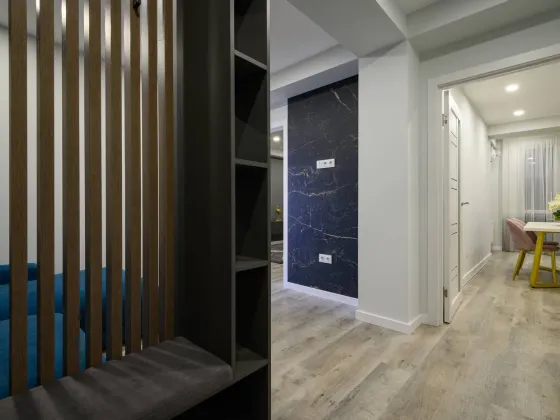
New windows don't mean good windows.
It is important to check:
- whether they close tightly
- whether the mechanisms work
- whether the seals are sound
- whether the window lets air through
- whether there is condensation
Windows affect noise, warmth, heating and air-conditioning bills, and replacing them is an expensive job.
6Walls, ceilings and floors – the language of a home
Problems are rarely in the middle of the wall.
They are:
- around the windows
- in the corners
- behind the furniture
- around the skirting boards
That is exactly where you should look. If there is a smell of damp or mould, even without visible stains, it is a red flag. Ceilings also give clear information – stains, yellow rings, cracks.
7The installations – the most underrated element
Most buyers do not switch on the lights, do not run the water, do not check the pressure, do not look at the fuse board, do not check whether the water heater works.
Yet installations are the most expensive part to repair.
Professionals check:
- the electrical panel
- the cables (whether they are old aluminium)
- the risers
- the sewerage
- the pipes under the sinks
Each of these points can save hundreds or thousands of leva after the purchase.
8The neighbourhood – what you do not see inside, but feel every day outside
The buyer often starts from the apartment and forgets to look at the neighbourhood.
But the neighbourhood is exactly what you wake up and fall asleep to every day.
Check:
- how noisy it is in the evening
- whether there are parking spaces
- what the lighting is like
- what the neighbouring buildings are like
- whether there are shops or pharmacies
- whether there is a school or kindergarten nearby
These are the factors that determine the real value of the property – not just its price.
9Rushing a viewing – the most common mistake

A viewing should not be like quick shopping.
A home should be viewed carefully, step by step and methodically.
Here are two things buyers often skip:
- open all the windows and doors
- check all the rooms, including storage rooms, attics and cellars
10Not asking questions – silence costs money
The buyer should not be passive. Ask everything.
The reason for the sale often says much more than the overall look of the home.
Also ask about upcoming repairs – they can change your calculations for months or years.
11Skipping a second viewing
The second viewing is decisive.
This is when you see the truth without the emotion. Details almost always come up that you did not notice the first time – whether because of excitement or simply because your attention was elsewhere.
A proper first viewing is a combination of observation, logic and attention to detail. When the buyer knows what to look at and what to ask, the risk of mistakes drops almost to zero. Homes can be beautiful, but only well-inspected ones can be a safe purchase.
Comments
There are no comments yet. Be the first to share what you think about the article.